
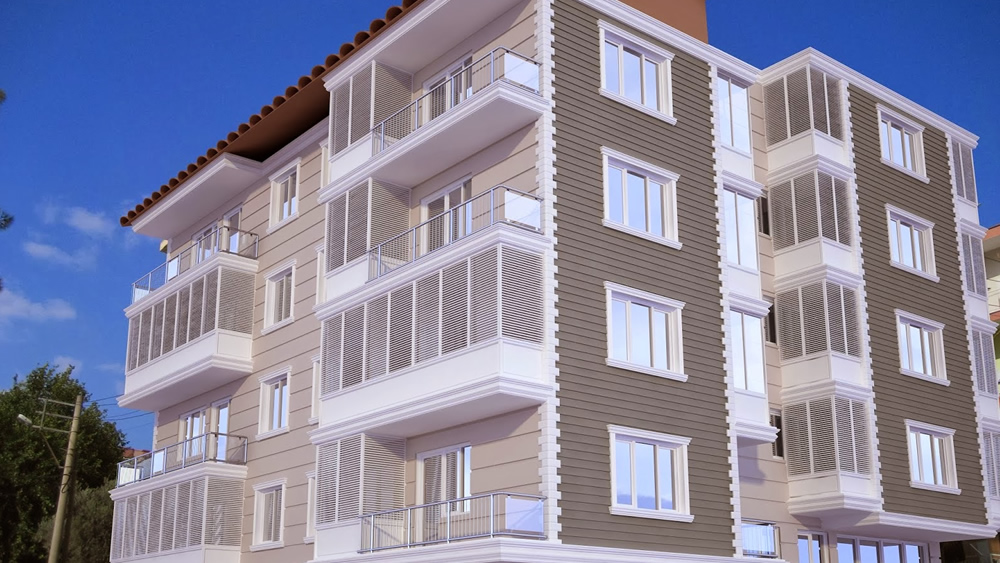
What are the Features of Precast Coating?
Precast cladding stands out as an important building material that provides aesthetics and durability in the modern construction industry. Precast concrete is obtained by producing various building elements in pre-prepared molds, and these elements are then mounted on the exteriors of the buildings. So, what is precast cladding and what features does it have? Let's examine the answers to these questions in detail.
Basic Features of Precast Coating
Durability: Precast pavements are known for their high durability. They are resistant to impact, pressure, weather conditions and other environmental factors. This feature ensures long life of the structures and reduces maintenance costs.
Aesthetic Diversity: Precast pavements offer a wide range of designs. With different pattern, texture and color options, architects and designers can shape the aesthetic appearance of buildings as they wish. This makes buildings unique and attractive.
Lightness: Precast coatings, which are lighter compared to traditional concrete building elements, provide ease of assembly and transportation. Its lightweight structure also increases structural safety by reducing the overall load of the building.
Sound and Heat Insulation: Precast coatings provide high levels of sound and heat insulation. This feature provides a more comfortable living space in the interiors of buildings and increases energy efficiency.
Fast Assembly: Precast coatings can be produced in the factory in advance and assembled quickly on the construction site, which shortens the construction period. This allows projects to be completed faster and costs to decrease.
Environmentally Friendly: Precast coatings are also advantageous in terms of environmental sustainability. Less waste is generated in the production process and recyclable materials can be used. Additionally, it reduces the environmental footprint by providing energy efficiency.
Usage Areas of Precast Coating
Precast pavements have a wide range of uses in various building projects. Here are some areas where precast coatings are commonly used:
Exterior Cladding: It is used on the exteriors of buildings to provide aesthetics and durability.
Interior Coverings: Precast elements provide decorative and functional solutions in interior spaces.
Infrastructure Projects: Precast coatings are used in infrastructure projects such as bridges, tunnels and water channels.
Urban Transformation Projects: It is preferred in urban transformation projects to create earthquake-resistant and aesthetic structures.
Conclusion
Precast coatings offer significant advantages in terms of aesthetics, durability and sustainability in modern construction projects. With its wide design options, fast assembly process and high performance features, precast coatings are an important building material that increases the value of buildings and extends their lifespan. These superior features provided by precast coatings show that this technology will continue to be widely used in the construction industry in the future.