
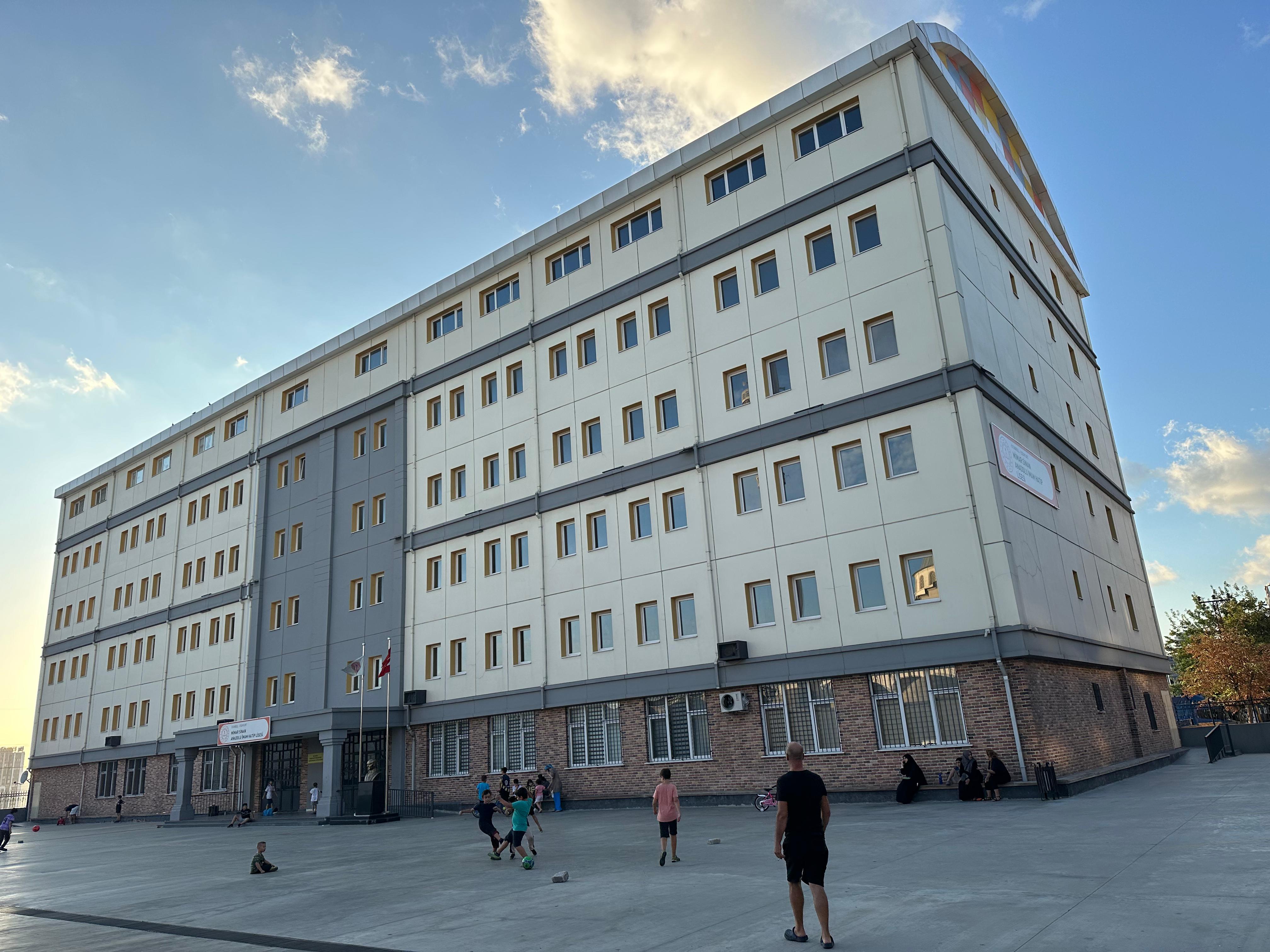
Production and Quality Control Process of Precast Facade Systems
Production Process of Precast Facade Panels
The production of precast facade panels is a systematic process consisting of several stages:
Design and Planning: The production process starts with the design phase. In this step, architects and engineers create the dimensions, shapes and aesthetic details of the panels. The function of the building, aesthetic expectations and structural requirements are taken as basis in this process. In addition, details such as which materials will be used and how the moulds will be produced are also clarified at this stage.
Mould Preparation: After the design, the moulds to be used in production are created. The moulds are usually made of steel or wood and are produced to reflect the desired shape and dimensions exactly. Since the smoothness of the mould surfaces directly affects the panel quality, this step is carried out with high precision.
Concrete Pouring: After the moulds are prepared, a suitable concrete mixture is prepared. This mixture includes durable cement, water, aggregate and chemical admixtures added when necessary. The concrete is poured into the moulds and compacted by vibration to remove air bubbles. This process aims to increase the density and strength of the panels.
Curing Process: After the concrete is poured, curing is carried out to increase durability and prevent cracking. This process ensures the completion of the chemical hardening process by keeping the concrete under certain temperature and humidity conditions.
Finishing and Surface Details: Surface treatments are applied to the panels removed from the moulds. Painting of the panels, adding textural effects and creating other aesthetic details are carried out at this stage.
Storage and Transport: Finally, the completed panels are properly stored and transported to the construction site. Special equipment and transport methods are used to prevent damage during transport.
Quality Control Process
In precast facade production, quality control is applied at every stage to ensure that the product is produced in accordance with the standards:
Material Inspection: Cement, steel reinforcements and chemical additives to be used in production are tested before production. Properties of these materials such as durability, flexibility and strength are checked in detail.
Mould Inspection: The dimensions of the moulds, surface smoothness and compatibility with the design are regularly reviewed. This control guarantees that the panels are produced in the desired dimensions and shapes.
Testing of Concrete Mixture: The properties of concrete such as consistency, durability and water-cement ratio are constantly monitored during the production process. Laboratory tests confirm that the concrete meets the quality standards.
Monitoring of Production Stages: Processes such as pouring concrete into moulds and curing are carefully monitored. It is ensured that the vibratory compaction process is applied correctly and curing is carried out under appropriate temperature and humidity conditions.
Final Product Controls: Possible problems such as cracks, size differences or surface defects are examined in the produced panels. In addition, the structural durability and insulation performance of the panels are checked by testing.
Transport and Assembly Controls: It is ensured that the panels are not damaged during transport. With the final controls carried out before assembly at the construction site, it is ensured that the panels are placed properly and safely.
As a result, precast facade production is a meticulous process in which architecture and engineering disciplines work in harmony. In this process, quality control mechanisms ensure that the structures are at the highest level not only in terms of aesthetics but also in terms of durability and reliability. These inspections, which are carried out at every stage from material to assembly, enable precast systems to bring quality and efficiency together in the modern construction sector. Thus, precast facades continue to have an important place in the building technology of the future.