
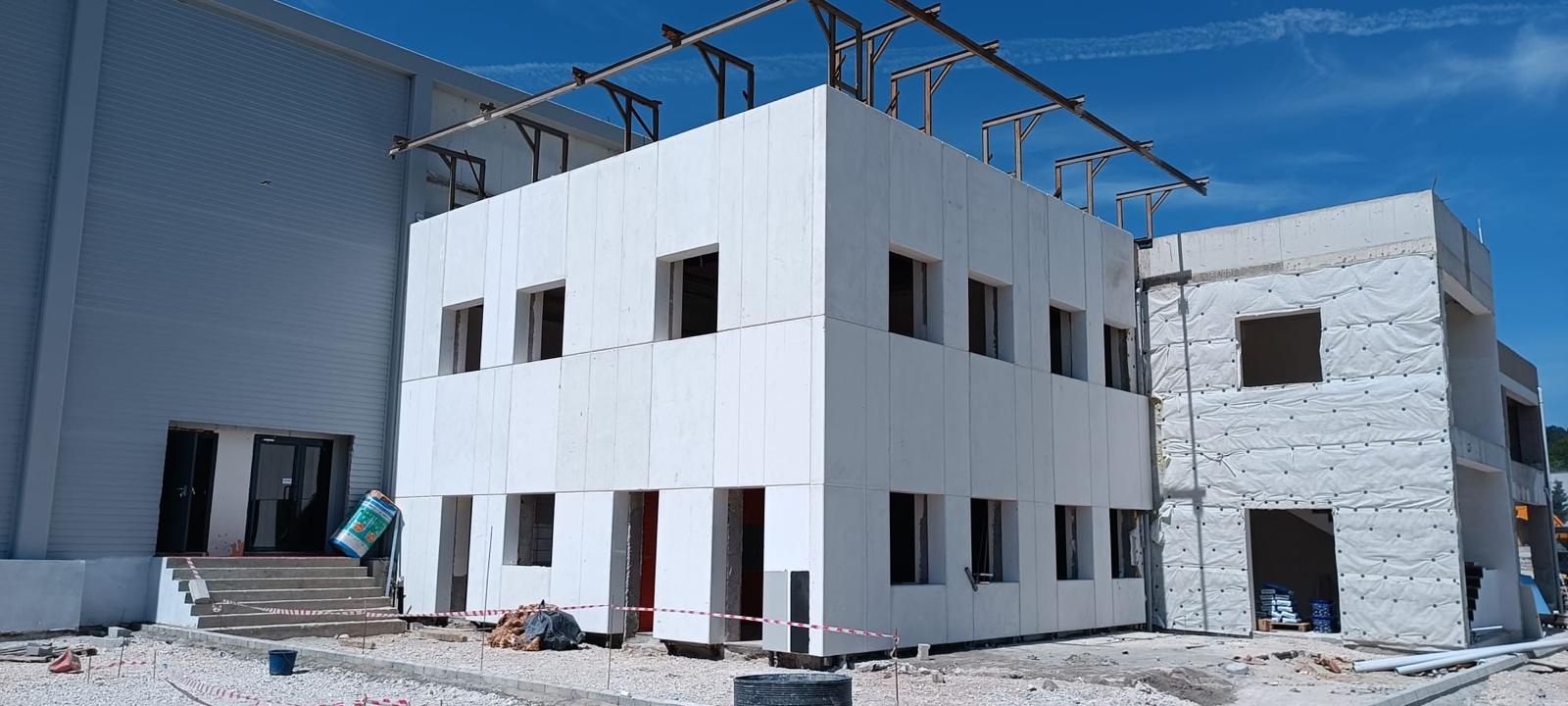
The Future of Architecture with Precast Building Design
How Precast Contributes to Urban Architecture
-
Enhancing Urban Aesthetics
-
Integrates with minimalist, modern, or classical architectural styles to enrich urban landscapes.
-
Customizable in various colors and textures for project-specific applications.
-
-
Long-Lasting Public and Private Buildings
-
Suitable for hospitals, schools, shopping malls, and hotels requiring robust materials.
-
Can be customized with decorative details for prestigious projects.
-
-
Superior Protection Against Natural Disasters
-
High-strength precast panels are designed for earthquake-resistant structures.
-
Water and wind-resistant properties make it a reliable solution for coastal areas.
-
Key Considerations in Precast Building Design
-
Architectural Planning: The size and design of precast elements should be carefully planned from the project’s outset.
-
Quality Control: Each precast panel should undergo rigorous testing for durability and aesthetics during production.
-
Installation Process: Proper installation techniques must be followed by expert teams to ensure building safety.
Conclusion: The Future of Cities is Shaped by Precast
Precast building design offers more durable, aesthetically pleasing, and sustainable solutions for the cities of tomorrow. This technology not only ensures long-lasting structures but also introduces groundbreaking innovations in modern architecture.
If you are planning a project, exploring the advantages of precast systems will help you save time and create structures that are built for the future!