
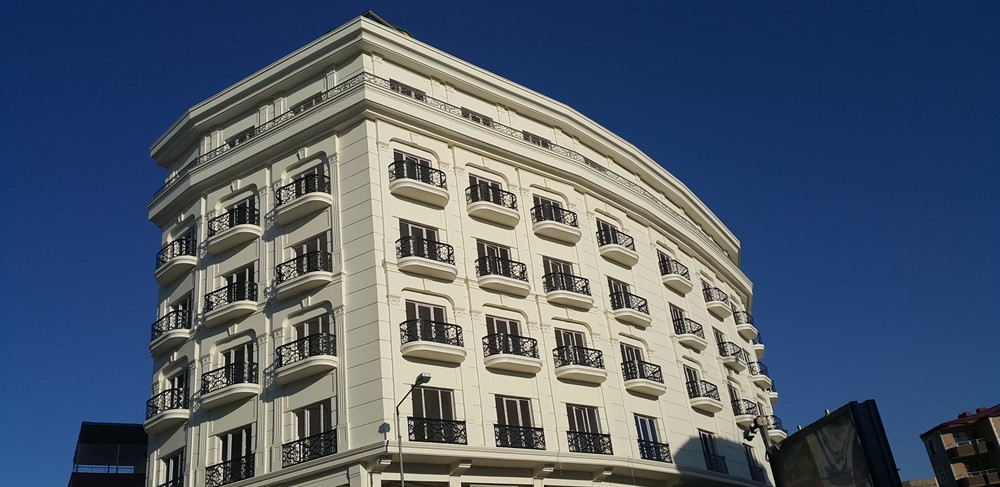
Durability of Precast Structures: Why Should They Be Preferred?
Precast structures are an option that stands out with their durability and aesthetic appeal in the modern construction industry. Especially in recent years, the advantages of precast concrete in terms of durability and longevity have become one of the reasons why it is preferred in construction projects. So, how durable are precast structures? While searching for an answer to this question, let's examine the technical features and usage areas of precast structures.
Basic Properties of Precast Concrete
Precast concrete is concrete elements produced in pre-prepared molds and then mounted in certain parts of the buildings. This method speeds up the construction process while ensuring high quality and durability. There are several basic features that determine the durability of precast concrete:
High Durability: Precast concrete is extremely resistant to external factors such as impact and pressure. Unlike traditional concrete, the structure of precast concrete is more homogeneous and provides equal durability on the entire surface of the material.
Lightness and Strength: Precast elements offer high strength despite their light structure. This feature increases the safety of structures, especially in earthquake zones, and reduces the overall load of buildings.
Longevity: Precast concrete is resistant to wear and tear over time. This reduces the maintenance costs of buildings and provides economic advantages in the long term.
Environmental Durability: Precast structures show high resistance to weather conditions and environmental effects. Particularly its waterproofing and sound insulation features make the buildings comfortable both indoors and outdoors.
Usage Areas of Precast Buildings
Precast concrete has a wide range of uses in various construction projects. Here are some areas where precast structures are commonly used:
Residential and Commercial Buildings: Precast elements are frequently preferred in modern residential and commercial buildings in terms of aesthetics and durability.
Infrastructure Projects: The durability of precast concrete provides a significant advantage in infrastructure projects such as bridges, tunnels and water channels.
Industrial Buildings: Industrial buildings such as factories and warehouses benefit from the fast installation and durability features of precast concrete.
Urban Transformation Projects: Precast concrete plays an important role in urban transformation projects, especially where earthquake-resistant structures gain importance.
Conclusion
Precast structures play an important role in modern construction projects with their durability, lightness and longevity. Beyond traditional concrete structures, the advantages offered by precast concrete provide great benefits in terms of the safety and aesthetics of structures. These superior features provided by precast structures show that this technology will continue to be widely used in the construction industry in the future.