
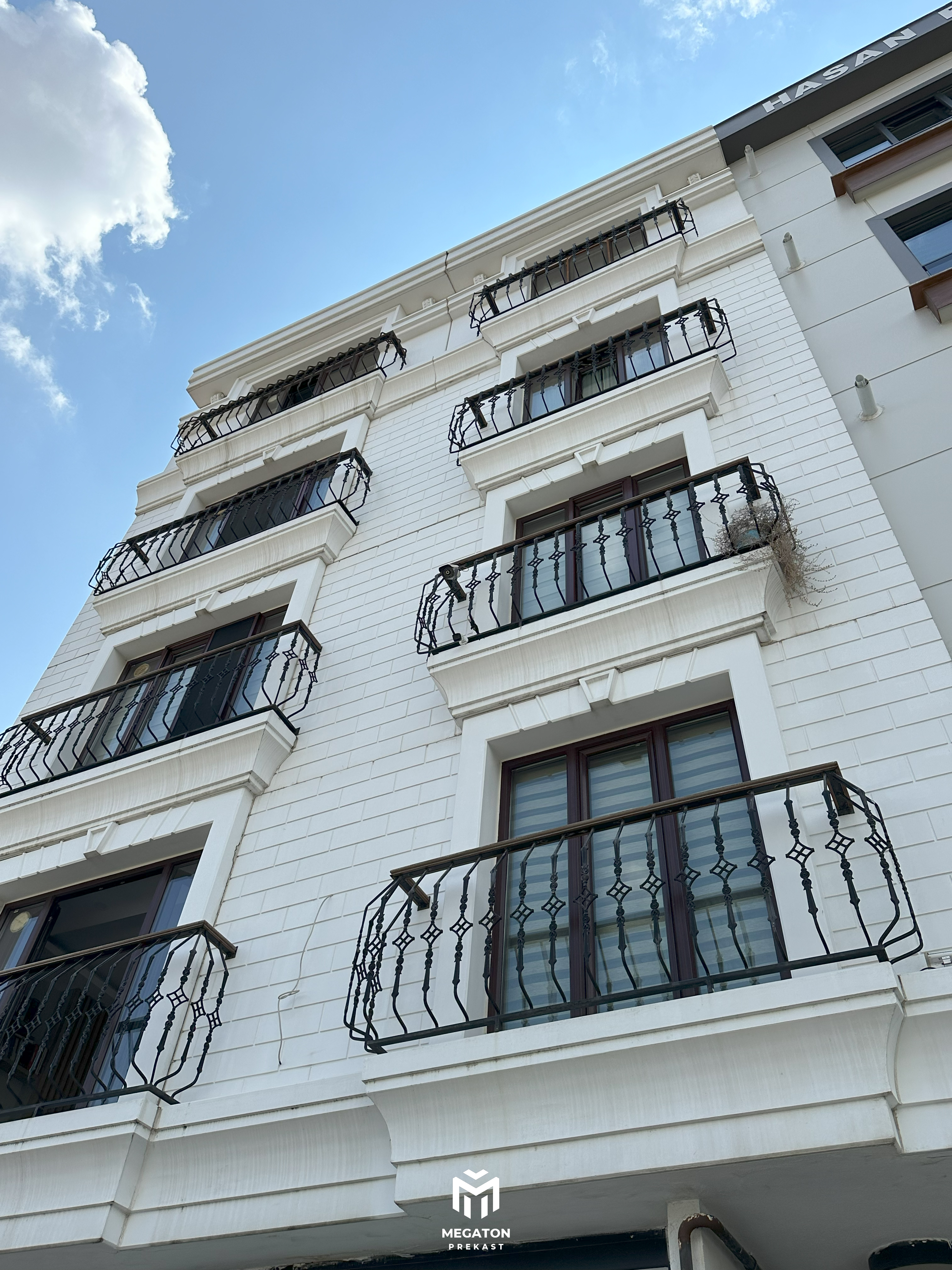
Comparison of Precast Facade Systems with Other Facade Systems
In this blog post, we will compare precast facade systems with other facade systems, addressing their technical advantages, installation processes, and energy efficiency performance. By thoroughly examining the benefits of precast over alternative facade systems, we will determine which projects are more suitable for their use and analyze cost efficiency and environmental impacts. Additionally, we will evaluate the role of precast facade systems in modern architecture and their influence on design, highlighting their potential for the future. Through this comprehensive analysis, you will explore the architectural and structural superiority of precast facade systems from a more technical perspective. The evaluations made regarding the advantages, installation processes, and environmental impacts of precast facade systems will offer a clearer understanding of their cost-effectiveness and contribution to modern architecture.
What Are the Differences Between Precast and Other Facade Systems?
Precast facade systems offer a series of technical advantages and structural differences compared to other facade systems. First and foremost, precast facade elements are pre-manufactured in a factory, allowing for fast and efficient installation on the construction site. This process is a crucial factor in ensuring timely project completion. In contrast, traditional facade systems are typically applied on-site, which can lead to increased labor, time, and material waste. Precast minimizes these issues, accelerating the construction process.
Another significant difference lies in the materials and installation methods. Traditional building systems often rely on site-cast concrete or brick, while precast facade systems offer lighter, more durable, and flexible alternatives. Precast panels are produced using high-performance concrete, ensuring both structural durability and longevity. Furthermore, specialized molding technologies used in precast systems allow for the implementation of various geometric shapes and designs.
In terms of energy efficiency, precast facade systems typically provide better thermal insulation. The insulation materials integrated into the internal structure of factory-produced panels reduce heat loss in buildings, resulting in more efficient management of indoor temperatures. This, in turn, increases environmental sustainability and reduces energy consumption, offering cost savings in operational expenses. Traditional facade systems, on the other hand, often require on-site insulation applications, which may yield less efficient results.
Precast systems also offer architects greater aesthetic flexibility. Creative design elements such as circular structures, complex geometries, and custom surface textures can be easily applied with precast facade systems. This flexibility enables the creation of aesthetically richer and more functional structures in modern architecture. Traditional facade systems, however, often offer more limited design possibilities, restricting aesthetic diversity.
In conclusion, precast facade systems offer significant advantages both functionally and aesthetically. Features such as installation speed, energy efficiency, structural flexibility, and aesthetic diversity make precast stand out compared to other facade systems. These technical characteristics are the main reasons precast has become a preferred facade solution in modern construction projects.